

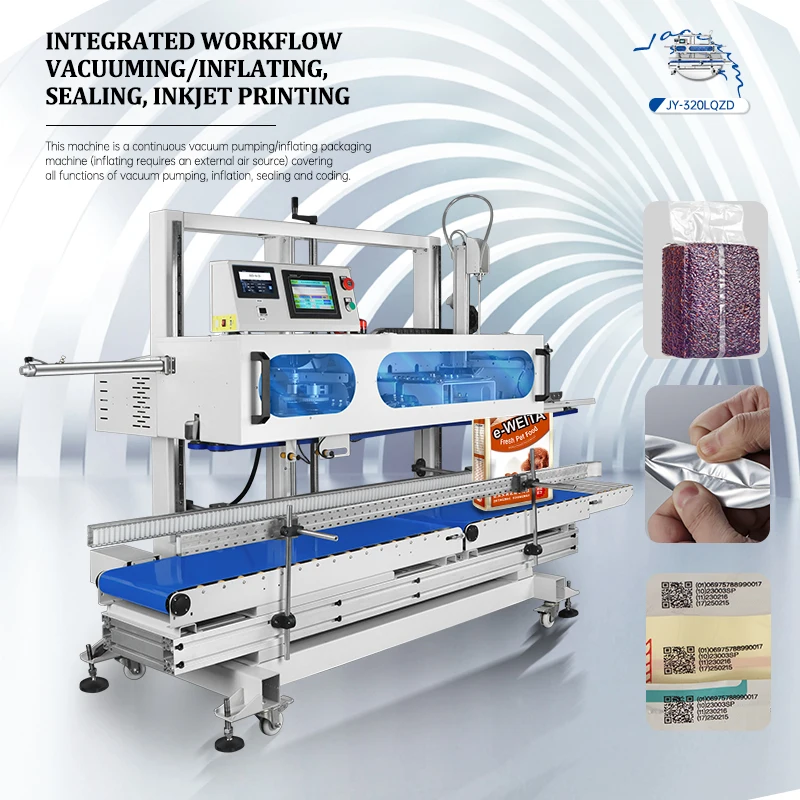
What is an Agricultural Packaging Machine?
An agricultural packaging machine comprises equipment specifically engineered to automatically enclose fresh or processed farm goods into preotective packaging formats suitable for safe storage, transit, and retail sale. These sophisticated systems afford comprehensive automation, assisting agricultural businesses to enhance effecientcy, uphold strict hygiene protocols, and ensure packaging consistensy that rigorously adheres to safety standards.
Agricultural packaging systems are designed to proficiently manage produce exhibiting diverse and challenging characteristics, such as the following listed below:
- Fragile Farm Produce: Items like berries, tomatoes, and mushrooms, which are prone to damage.
- Moisture-Sensitive Farm Produce: Commodities like dates, nuts, and dried fruit.
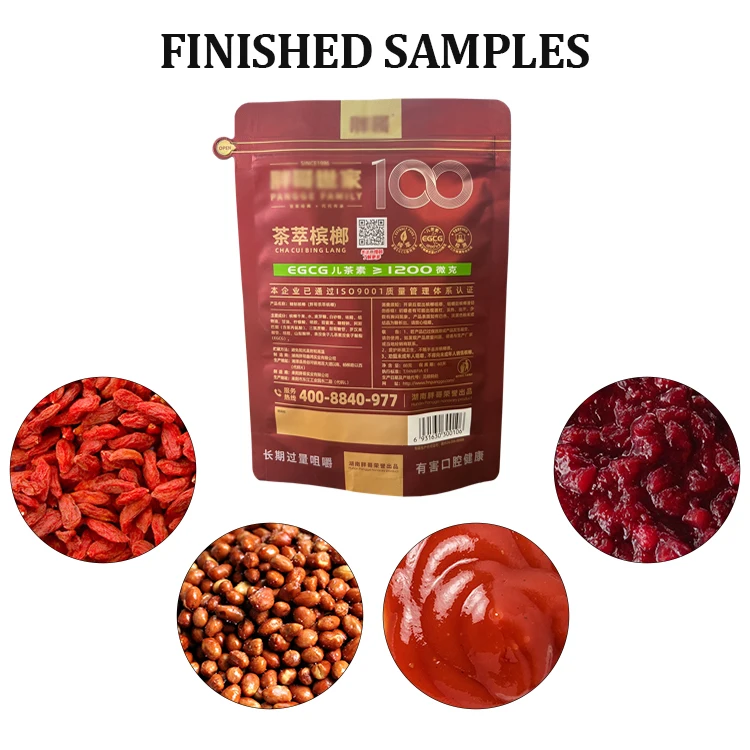
- Granular Items: Staple goods such as rice, beans, and seeds.
- Items with Irregular Shapes: Certain root vegetables, for instance.

🛠️ Common Categories of Agricultural Packaging Machines
| Machine Category | Principal Function | Suitable for Packaging |
| Carton Packing Machines | Packs produce into cardboard cases using a carton sealer, facilitating storage and offering moderate physical protection. | Fishery products (e.g., seafood, fish) and processed goods. |
| Form-Fill-Seal Machines | Forms a package from film roll, fillings it with product, and seals it. | Dry agricultural products like coffee beans, rice, and beans. |
| Skin Pack Machines | Utilizes a vacuum seal that precisely conforms to the shape of the packaged item. | Fresh farm-produce (fruits, meat, and vegetables). |
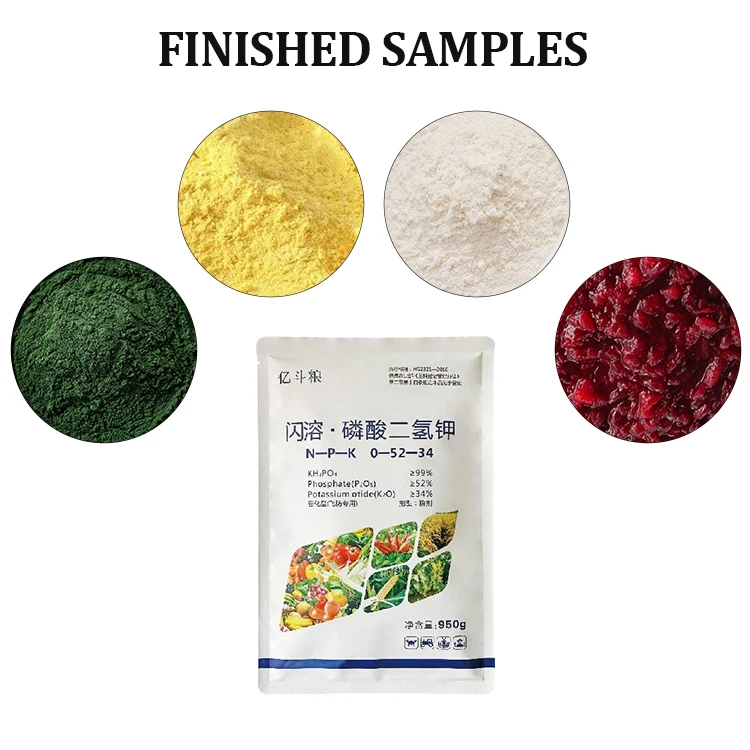
| Vacuum Packaging Machines | Extracts air from the package prior to sealing, significantly extending product freshness. | Grains, feed grains, fruits, and vegetables. |
| Labelling Machines | Applies crucial product information and ID-details to various package types. | Virtually all categories of agricultural products. |
| Wrapping Machines | Employs paper or plastic film for both the presentation and protection of fresh agricultural items. | Fresh fruits and vegetables. |
⭐ Example of Machinery: The TEPPS Bag Packable Sealer Machine sees extensive utilization across the food and agriculture industries for achieving optimal product protection. It is frequently applied to livestock products (meat, poultry, etc.). Its notable features include: Reliable perdormance, simplified operation, convenient maintenance, precise temperature control, and stepless speed regulation with integrated printing function.
📈 Substantial Benefits Derived from Using Packaging Machinery
1. Enhanced Protection and Superior Hygiene
Agricultural goods are inherently perishable. Correct packaging, implemented by automated systems, provides a safeguard against damage, external contaminaton, and spoilage. Such machinery preserves the intrinsic freshness of the products.
Furthermore, packaging machines dramatically minimize direct human interaction with fresh produce, substantially improving hygiene standards. This controlled environment prevents undue exposure to pests or moisture during storage and subsequent distribution, assisting agricultural producers to successfully meet stringent food safety standard.
2. Prolonged Shelf Life
Specialized agricultural packaging machines, notably vacuum sealers, effectively delay oxidation and the spoilage process for fresh items (fruits, vegetables, herbs). They afford controlled packaging conditions that lengthen the viability of these products, helping to maintain their texture, colour, and inherent moisture levels.
For dried products like nuts, the air-tight seal prevents mold development and enhances flavour retenssion. This is critical for exports and long-distance transport. By extending their shelf life, packaging machinery improves overall product value and simultaneously reduces unnecessary waste.
3. Reduction in Labour Expenses
Automated packaging equipment performs complex tasks such as weighing, filling, sealing, and wrapping. This functionality permits agricultural producers to process higher volumes in less time and with a significantly smaller workforce. They also minimized the risks associated with human error and potential workplace injuries.
Packaging machines maintain a consistent output throughout the operating day without experiencing fatigue. They are demonstrably fast, highly consistent, and financially economical over the long term, enabling producers to meet high-volume market demands and tight schedules effectively.
4. Superior Packaging Accuracy
Packaging systems achieve exemplary accuracy when handling bulk commodities such as rice, beans, or nuts. Automated bagging solutions ensure that every single bag contains the exact required mass, effectively preventing errors associated with overfilling or underfilling.
The machinery also prevents product spillage or damage, which is of vital importance for delicate goods such as tomatoes. This ensures consistent product quantity and enhances cost control mechanisms.
5. Elevated Product Presentation
Agricultural packaging machines consistently produce aesthetically appealing, professional-grade packages. They provide clean seals and clear wraps for grains, nuts, and fresh produce, which makes the product inherently more desirable to the final consumer.
Additionally, these systems allow for the printing of branded labels inclusive of nutrient data, barcodes, dates, and QR codes, which reinforces brand identity and consumer loyalty. This facilitates the presentation of products that are fresh, modern, and suitable for the export market.
6. Increased Production Capacity
Packaging equipment enables agricultural producers to package a larger quantity of goods within a reduced timeframe. They are perfectly suited for large-scale operations with high production volumes aiming to meet demand and secure a competitive advantage.
In such situations, automated equipment runs at elevated speeds, packaging substantial quantities of produce rapidly and effectivelly. As market demand expands, these machines enable farmers to swiftly upgrade their systems to accommodate higher output requirements without sacrificing quality or consistancy.
7. Improved Traceability and Standardization
For the export sector, rigorous documentation is often mandatory for agricultural goods. Crucial information pertaining to packaging dates, batch numbers, and product origin is key for transparency and establishing consumer trust. Packaging machines facilitate the incorporation of sophisticated labelling systems that print these vital codes on every package.
Packaging systems guarantee full traceability, which streamlines quality control and inspection processes. Consistent package sizes simplify the handling procedures for distributors, leading to a reduction in product returns and waste.
8. Optimized Storage and Transport Logistics
Packaging machinery, such as vacuum sealing units, creates an airtight closure that resists compression, moisture, and contamination, ensuring that the agricultural produce remains in excellent condition during both storage periods and transportation.
Packaging standardized sizes permits more efficient stacking configurations, which reduces warehouse space requirements and subsequent transportation costs, allowing you to store and ship larger product volumes.
9. Minimal Operational Interaction
Modern packaging machines are designed to be intuitive and user-friendly, requiring only minimal human interaction. They are equipped with automated sensors, touch-screen interfaces, preset modes, and safety features that allow operators to run the machinery with simple training and less intervention.
This approach effectively lowers labour costs, minimizes the incidence of human error, and mitigates work-related injuries. Furthermore, it ensures cleaner packaging results due to fewer hands contacting the product directly.
🧐 Selecting the Appropriate Packaging Machine for Your Produce
The process of choosing the correct machinery necessitates a careful assessment of several interralated factors:
| Factor | Consideration Details |
| Product Characteristics | Granular items demand accurate weighing and bagging solutions. Soft fruits (e.g., berries) require flow wrappers or tray sealers. Dried products benefit from vacuum or MAP systems. |
| Packaging Material Compatibility | Ensure the selected machinery supports the intended packaging materials (e.g., flow wrap machines require heat-sealable films; vacuum sealers require specialized pouches). |
| Production Volume | Start-up operations are advised to consider semi-automatic models for lower initial capital outlay. Medium-to-large-scale operations requires fully automated, continuous, high-speed systems. |
| Budget | Evaluate not solely the initial purchase cost but the comprehensive long-term value, inclusive of operating expenses, energy consumption, and anticipated lifespan. |
| Maintenance Support | Select a reliable manufacturer, such as TEPPS, that provides essential post-sales support, including spare parts availability, servicing, and comprehensive training to minimize operational downtime. |
| Hygiene Requirements | Agricultural products necessitate strict hygiene protocols. Machinery constructed with corrosion-resistant, food-grade stainless steel is essential to meet all food safety rules. |
⭐ TEPPS Vacuum Packaging Solutions:
- The Compact Model: Characterized by low energy consumption and a small footprint, ideal for factories with space constraints.
- The Mid-range Model: Offers a balance between performance and cost, suitable for medium-scale operations.
- The High-output Model: Features high-precision technology and a high vacuum degree, intended for large-scale production facilities.
Conclusion
The advantages of implementing packaging machinery for agricultural products are extensive, ranging from dramatically improving operational efficiency to ensuring elevated product quality. With a diverse array of equipment available on the market, targeted solutions can be found to match your specific production requirements.
We recommend you Contact TEPPS today to begin the process of automating your packaging line.
